August 11, 2026
Best Shampoo for Permed Hair: What Actually Works
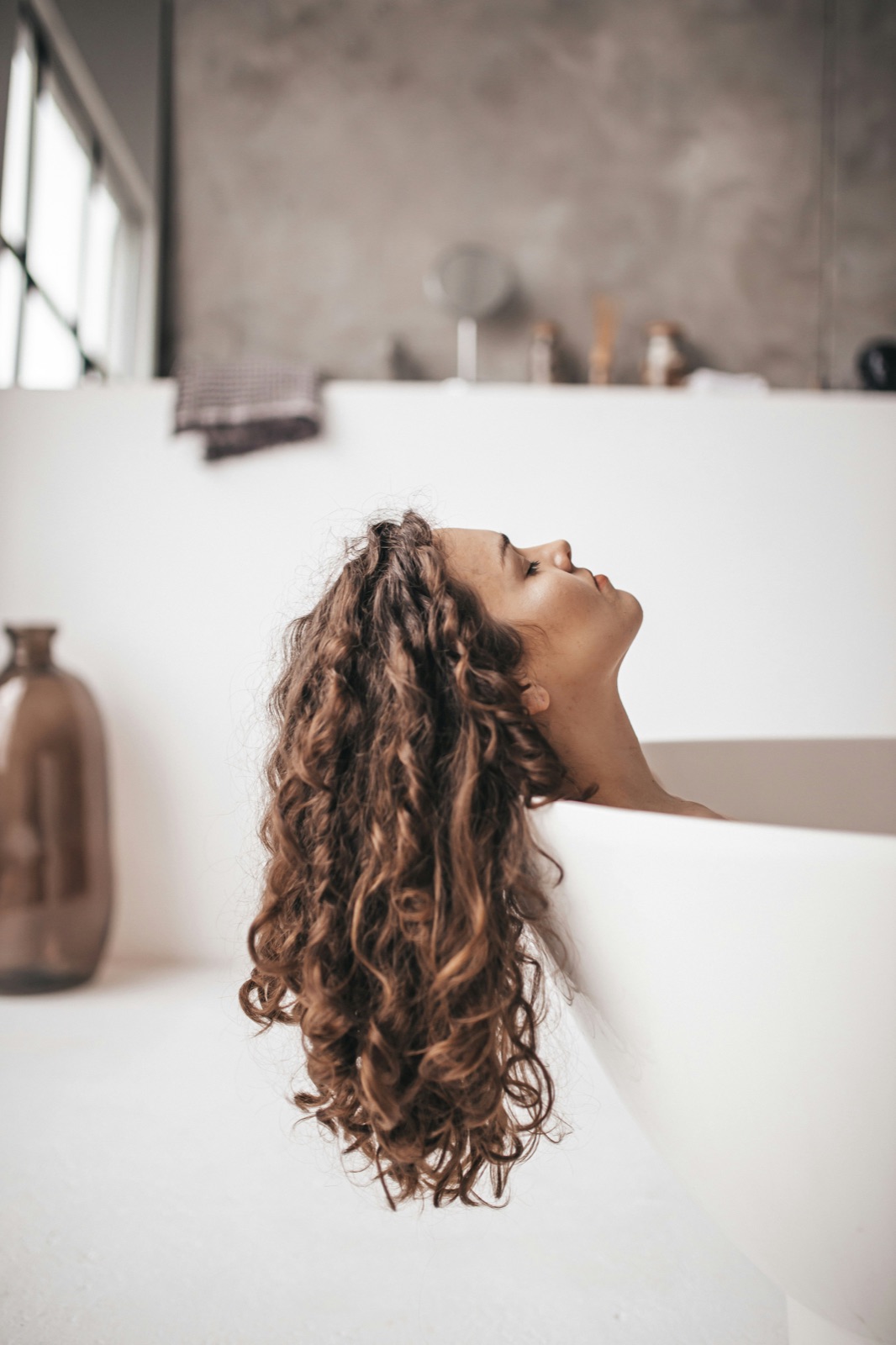
A perm doesn’t sit on top of your hair — it changes the internal protein structure of it, and every product you use afterward either works with that change or fights it. Most “best shampoo” lists for permed hair repeat the same three or four generic tips without explaining why they matter for this specific type of chemically treated hair, which makes it hard to judge which parts of a routine are actually load-bearing and which are optional extras. That’s exactly why the wrong shampoo can loosen a fresh curl pattern within weeks: sulfates and high-pH formulas strip and swell hair that’s already more porous than it was before the chemical process. The right shampoo won’t make your perm “better” than it is, but the wrong one will actively shorten how long it holds.
4.5–5.5
ideal shampoo pH range for permed or chemically treated hair
48–72h
the typical wait recommended before the first wash after a fresh perm
2
disulfide-bond stages a perm goes through — broken, then re-set into a new shape
What perming actually does to your hair
A perm works by breaking the disulfide bonds that give hair its natural shape, using an alkaline solution, then a neutralizer reforms those bonds around a curling rod so the hair holds the new pattern. That process necessarily lifts the cuticle — the hair’s protective outer layer — to let the solution in, and research on perm chemistry has focused specifically on repairing this kind of bond and cuticle disruption because it’s a known, structural side effect, not a minor one. A raised cuticle means more porosity: hair absorbs product and water faster, but also loses moisture faster — which is the entire reason permed hair needs a different shampoo than it did before.
The degree of change depends heavily on the type of perm. A gentle, larger-rod body wave lifts the cuticle far less than a tight, small-rod perm processed at full strength, and digital or “hot” perms (which combine chemical processing with heat) tend to leave hair more porous than cold perms. This is also why the same shampoo advice doesn’t scale evenly — hair with a tight, aggressive perm benefits more from every item on this list than hair with a soft, barely-there wave.
Perm types, and why it changes your shampoo needs
| Perm type | Process | Relative porosity increase |
|---|---|---|
| Body wave (large rods) | Chemical only, loose curl pattern | Lowest |
| Cold perm (standard) | Chemical only, room temperature | Moderate |
| Spiral perm | Chemical, vertical rod placement for tighter curl | Moderate-high |
| Digital / hot perm | Chemical plus heat processing | Highest |
This is a relative comparison, not a precise measurement — but the pattern holds directionally across most stylist guidance: more rod tension and any added heat step means more cuticle disruption, which means the sulfate-free, pH-balanced, moisture-focused approach in this guide matters more, not less, the more aggressive the perm was. Someone with a soft body wave has more flexibility to use a broader range of shampoos; someone with a tight digital perm has the least room for error.
Does your natural hair type change what you need?
Fine, thin hair holds a perm differently than coarse or thick hair, and it changes the shampoo trade-off. Fine permed hair is more prone to looking weighed down or greasy faster, so a lightweight, sulfate-free formula without heavy conditioning agents built in works better — save the richer moisture for a separate conditioner step. Coarse or thick permed hair generally tolerates (and needs) a more heavily moisturizing shampoo formula, since the hair shaft has more mass to keep hydrated and is naturally more resistant to product buildup.
The first month, week by week
Shampoo choice matters differently depending on how fresh the perm is — the routine isn’t identical on day one and week six.
Days 1–3. No washing at all. This isn’t a shampoo-formulation issue — it’s about letting the newly reformed disulfide bonds fully stabilize before introducing water, which can still slightly disrupt the new shape while it’s setting.
Week 1–2. The highest-risk window for losing curl definition. Sulfate-free, pH-balanced shampoo matters most here, alongside minimizing heat styling entirely if possible — this is when the cuticle is most disrupted and moisture loss happens fastest.
Week 3–4. The curl pattern is more settled and slightly more forgiving. This is a reasonable point to introduce a weekly deep-conditioning mask if you haven’t already, since the hair can now tolerate a longer, more intensive treatment without disrupting the set pattern.
Month 2 onward. Maintenance mode — the routine outlined in this guide (2–3 washes a week, conditioner every wash, weekly mask) becomes the steady-state approach until new growth or natural relaxation changes the pattern enough to consider a touch-up.
What to actually look for in a shampoo
| Look for | Why it matters for permed hair |
|---|---|
| Sulfate-free | Sulfates are strong detergents that strip natural oils permed hair can't easily replace |
| pH 4.5–5.5 | Slightly acidic formulas help re-close the lifted cuticle instead of opening it further |
| Moisturizing (glycerin, panthenol) | Replaces moisture that a more porous hair shaft loses faster |
| Labeled "curl" or "color-safe" | Both formulation goals overlap heavily with what permed hair needs |
What to avoid: sulfates (sodium lauryl/laureth sulfate), high-pH “clarifying” shampoos used more than occasionally, and — despite common advice — going too far the other way with heavy silicones on fine permed hair, which can weigh curls down and require sulfates to remove, creating a cycle of buildup and over-stripping.
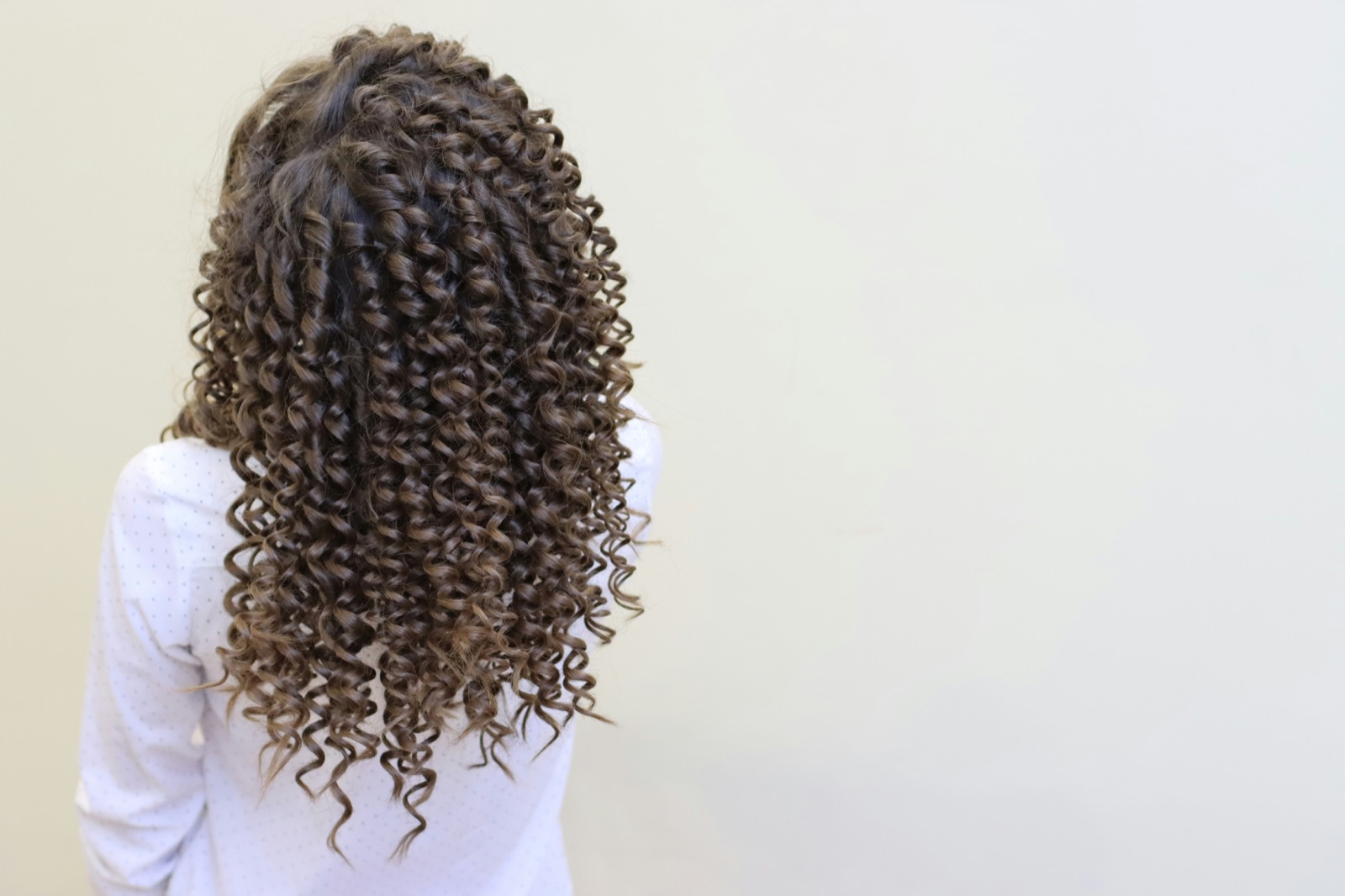
Best shampoos for permed hair
Real product categories worth knowing, based on what’s actually formulated for this — not sponsored, just what consistently shows up as sulfate-free and curl/perm-appropriate:
L’Oréal Paris EverCurl Sulfate-Free Shampoo. The most widely available drugstore option built specifically for curl definition. It’s lightweight enough not to weigh down looser waves, and being sulfate-free makes it a safe daily-adjacent option for most permed hair types without the buildup risk of heavier formulas.
Garnier Fructis Curl Nourish Sulfate-Free Shampoo. Similarly accessible, formulated around shea butter and coconut oil for more moisture than the EverCurl line — a reasonable pick for drier or coarser permed hair that needs more conditioning built into the shampoo step itself.
Virtue Labs Recovery Shampoo. A higher-end, protein-focused formula explicitly aimed at chemically stressed hair — using Virtue’s patented keratin protein complex rather than the botanical-extract approach most curl shampoos take. Worth the price difference specifically for hair that’s had multiple chemical processes (perm plus color, for example) rather than a single fresh perm.
Briogeo Curl Charisma or Don’t Despair, Repair! Both sulfate-free, both built around moisture retention rather than protein — Curl Charisma leans lighter for defined curls, Don’t Despair leans richer for more damaged or coarser texture. Either is a reasonable mid-tier step up from drugstore options.
Any shampoo explicitly labeled “for color-treated hair.” This is the most useful fallback rule on this list: the pH and sulfate-free formulation goals for color-treated hair overlap almost entirely with what permed hair needs, because both are managing a lifted cuticle and increased porosity. If you can’t find or afford a curl-specific product, a color-safe shampoo from any brand you already trust is a legitimate substitute.
What the routine actually costs
| Tier | Shampoo + conditioner | Full routine (6 products) |
|---|---|---|
| Drugstore | $15–25 | $45–70 |
| Mid-tier | $30–50 | $90–150 |
| Salon / premium | $50–90 | $150–280 |
Realistically, the jump from drugstore to mid-tier buys real formulation differences (better surfactant blends, added protein or repair-focused ingredients). The jump from mid-tier to premium buys much smaller, more marginal improvements — packaging, fragrance, and brand positioning account for more of that price difference than the ingredient list does.
How to actually read the label
Ingredient lists are ordered by concentration, which makes the first five or six ingredients the ones that matter most. A few things worth scanning for specifically:
- “Sodium Laureth Sulfate” or “Sodium Lauryl Sulfate” near the top — these are the sulfates to avoid; seeing them listed doesn’t automatically disqualify a product, but seeing them in the first three or four ingredients means they’re a primary cleansing agent, not a trace amount.
- “Cocamidopropyl Betaine” — a much gentler, coconut-derived surfactant commonly used in sulfate-free formulas as the primary cleanser. A good sign.
- Silicones ending in “-cone” or “-conol” (dimethicone, cyclopentasiloxane) — not inherently bad, but they build up over multiple washes with sulfate-free shampoo (which isn’t strong enough to fully remove them), which is the buildup problem mentioned earlier. Fine in a conditioner or leave-in; worth noting if it’s high on a shampoo’s ingredient list specifically.
- “Panthenol” or “Glycerin” — both genuinely useful humectants for the moisture-retention problem permed hair has; a good sign when they appear in the first half of the list.
Common mistakes that undo a good routine
Using the same shampoo before and after the perm. Whatever worked for your hair pre-perm was formulated for different needs. Switching to a sulfate-free, curl-appropriate shampoo starting with the first wash — not after you notice a problem — protects the curl pattern from the beginning rather than repairing damage after it’s visible.
Rubbing hair with a towel. This is a styling-routine mistake that shampoo choice can’t offset — vigorous towel-drying roughs up an already-lifted cuticle and creates frizz regardless of how gentle the shampoo was. A microfiber towel or cotton t-shirt, used to squeeze rather than rub, matters as much as the product itself.
Skipping conditioner to “save” curl definition. Some people avoid conditioner assuming it’ll weigh down curls or loosen the pattern. In practice the opposite tends to happen — under-conditioned permed hair gets frizzier and holds its shape worse, because dry, porous hair is rougher at the cuticle level, which is what actually causes flyaways and a loosened-looking curl.
The full routine, in order
| Product | Frequency | Where to apply |
|---|---|---|
| Sulfate-free shampoo | 2–3× per week | Scalp, rinsed through lengths |
| Moisturizing conditioner | Every wash | Mid-lengths to ends |
| Leave-in conditioner | Every wash, on damp hair | Mid-lengths to ends |
| Curl-defining cream | Every wash, before air-drying | Full lengths, scrunch in |
| Lightweight oil | As needed for shine/frizz | Ends only, sparingly |
| Deep conditioning mask | Weekly, in place of regular conditioner | Full lengths, 15–30 min |
Heat protectant is the one product on most lists that permed hair should use less, not more — a fresh perm is meant to reduce your reliance on heat styling in the first place. Keep it for diffusing or occasional touch-ups rather than daily use, since repeated heat on chemically processed hair compounds the same porosity problem the perm already created.
Myths about permed hair care
“You should wash permed hair every day to keep it clean.” The opposite is generally better — sulfate-free formulas are gentler, but daily washing of any kind strips the natural oils permed hair needs more, not less, than untreated hair. 2–3 times a week is the more common recommendation.
“All sulfates are equally bad.” Sulfate-free is a reasonable default for permed hair, but the mechanism is about degree, not an on/off switch — some mild sulfate-adjacent surfactants are formulated to be less stripping than classic sodium lauryl sulfate. The label claim “sulfate-free” is still the simplest reliable filter without needing to parse an ingredient list.
“You can perm over recently colored hair without any issue.” Both processes stress the same disulfide bonds and cuticle. Doing them back-to-back significantly compounds damage — most stylists recommend spacing chemical processes at least two weeks apart, and coloring first, perming second, if both are wanted.
“Expensive shampoo is always better than drugstore for permed hair.” Price correlates loosely with formulation quality at best. A $12 sulfate-free, pH-balanced drugstore shampoo does the core job better than a $40 product that isn’t sulfate-free — the ingredient profile matters more than the price point, which is exactly why both tiers appear on the same list above.
“Once curls relax, the shampoo failed.” A perm growing out or gradually relaxing over months is the expected lifecycle of the chemical process itself, not a sign that the routine did something wrong. Shampoo choice affects how healthy and defined the curl looks while it lasts — it doesn’t extend a perm indefinitely.
“Swimming pool water doesn’t affect permed hair any differently.” Chlorine is oxidizing and drying, and it affects already-porous permed hair faster than untreated hair — the same increased porosity that makes permed hair absorb shampoo and conditioner faster also makes it absorb chlorinated or hard water faster. A leave-in conditioner or a light oil applied before swimming, followed by a proper wash afterward, meaningfully reduces the effect.
Should you buy what your stylist recommends?
Salon-sold aftercare is often genuinely well-matched to your specific perm — stylists tend to sell professional lines with more concentrated actives and fewer fillers than mass-market retail versions, and they’ve seen your actual hair, not a general category of “permed hair.” That’s a real advantage over guessing from a list like this one.
It’s also reasonable to be selective about it. Not every stylist recommendation is free of markup, and the core formulation principles in this guide — sulfate-free, pH-balanced, moisture-focused — apply whether the bottle costs $14 at a drugstore or $48 at the salon counter. If a salon product fits the budget and the stylist has seen your hair in person, it’s a good default. If it doesn’t fit the budget, matching the same ingredient profile in a retail product is a legitimate substitute, not a downgrade.
When it’s not just a shampoo problem
Product choice affects how well a perm holds and how healthy it looks — it doesn’t affect your hairline or how much hair you have overall. If you’re noticing thinning or a changing hairline alongside your perm routine, that’s a separate, unrelated process worth tracking on its own terms; our complete hairline guide and free scan cover exactly that.
Take HairlineCheck AI With You
Scan anytime, track your progress, and get reminders to check in — your first scan is free.
Get the appFAQ
What’s the single most important thing to look for in a shampoo for permed hair? Sulfate-free is the highest-impact single filter — it addresses the biggest risk (over-stripping already-porous hair) with the least guesswork.
Can I use regular shampoo on permed hair? You can, but it’s more likely to strip moisture and shorten how long the curl pattern holds. It’s not harmful in a single use — it’s the repeated, everyday use that adds up.
How soon after a perm can I wash my hair? Most stylists recommend waiting 48–72 hours to let the new bond structure fully set before introducing water and product.
Do I need every product in the routine, or just shampoo and conditioner? Shampoo and conditioner are the baseline; leave-in and curl cream make the biggest visible difference in curl definition day-to-day. Oil and weekly masks are the most skippable if you’re keeping it simple.
Is it bad to use dry shampoo on permed hair between washes? It’s fine occasionally, but dry shampoo doesn’t replace the moisture permed hair needs — treat it as a scalp-refresh tool between washes, not a moisture solution.
Will a good shampoo make my perm last longer? It helps meaningfully — sulfate-free, pH-balanced formulas slow the moisture loss that causes curls to relax early — but it won’t make a perm outlast its natural growth-out timeline, which is primarily determined by the chemical process itself and hair growth.
Should I use a different shampoo for fine vs. coarse permed hair? Yes, ideally — fine permed hair does better with a lighter, sulfate-free formula without heavy conditioning agents, while coarse or thick permed hair generally needs more moisture built into the shampoo itself.
Is it okay to use conditioner-only (“co-washing”) on permed hair? Occasionally, yes, but not as a full replacement for shampoo — co-washing alone can lead to product and oil buildup over time, since conditioner isn’t formulated to fully cleanse the scalp.
How do I know if my current shampoo is stripping my perm? The signs are practical rather than technical: curls feeling drier or frizzier within a day of washing, the pattern looking looser than it did right after the salon appointment, or noticeably more static and flyaways than when the perm was fresh.
Curious where you stand? Try the free AI hairline check and get your Hair Score in 10 seconds.