August 11, 2026
Olive Oil for Hair: What the Research Actually Shows
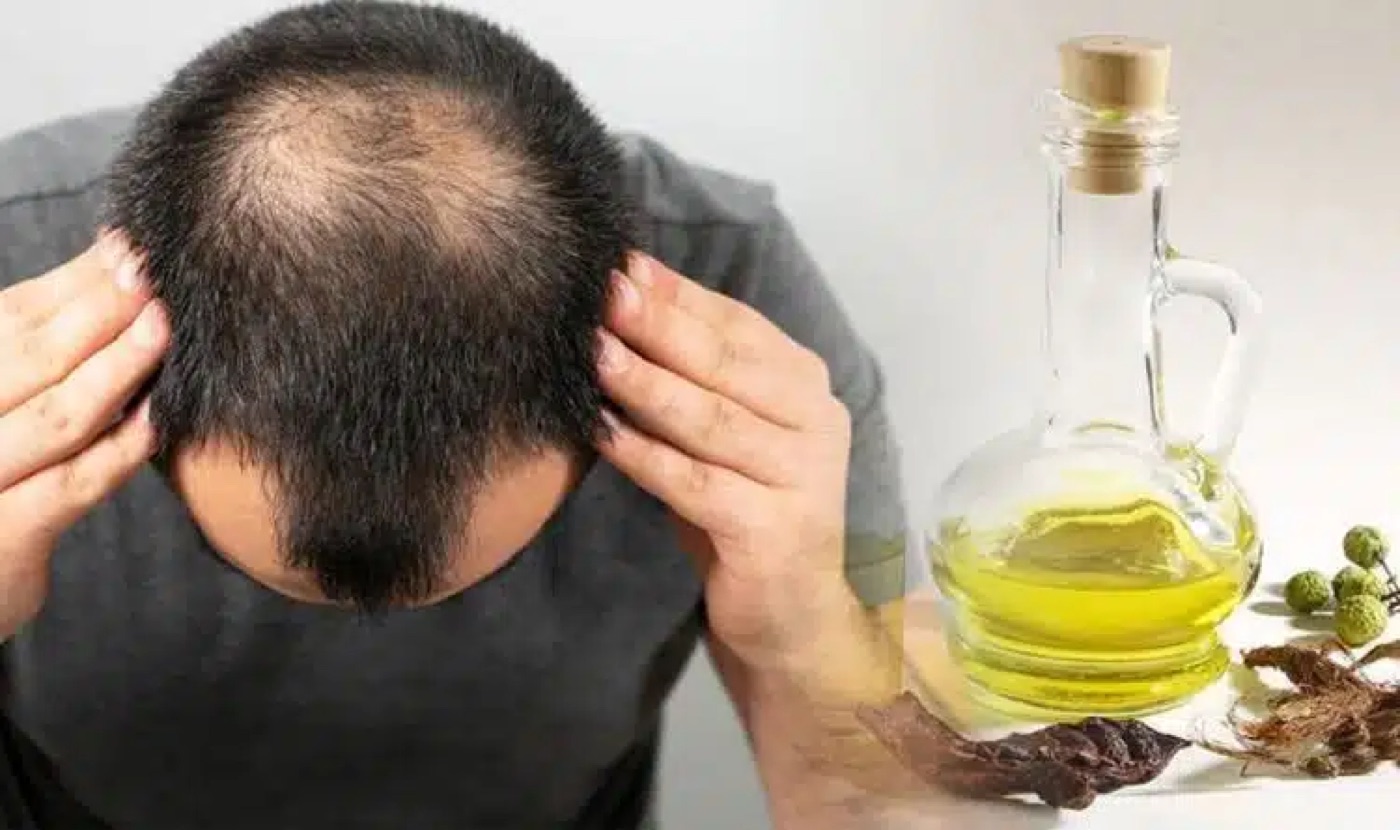
Olive oil shows up in more hair-growth home remedies than almost any other kitchen ingredient. It’s also the subject of one of the more persistent pieces of misinformation in hair care: the idea that it’s a clinically studied hair-growth booster. It isn’t — but that doesn’t mean it’s useless. What olive oil actually does for hair is narrower, more mundane, and still genuinely worth knowing.
0
human trials showing olive oil increases hair growth rate
~73%
of olive oil's fat content is oleic acid, its main active property
2
comedogenic rating — mildly pore-clogging for acne-prone skin
What the “boosts hair growth” claim actually gets wrong
A widely cited 2003 study in the Journal of Cosmetic Science — “Effect of Mineral Oil, Sunflower Oil, and Coconut Oil on Prevention of Hair Damage” by Rele and Mohile — gets referenced constantly in hair-oil content. The detail that usually gets dropped: olive oil wasn’t one of the oils tested. The study compared mineral oil, sunflower oil, and coconut oil, and found coconut oil was the only one that meaningfully reduced protein loss from the hair shaft — before and after washing, in damaged and undamaged hair alike. Plenty of olive oil articles cite this exact study while implying it proves something about olive oil specifically. It doesn’t.
That’s not the same as saying olive oil does nothing. It’s rich in oleic acid — a long-chain monounsaturated fatty acid that makes up roughly 73% of its content — which is the same general mechanism (reducing water uptake and the swelling that follows) behind coconut oil’s studied effect. Olive oil simply hasn’t been isolated and tested the same way. The honest summary: plausible mechanism, borrowed evidence, no dedicated trial.
What olive oil actually does for hair
Seals in moisture. Its fatty acid profile coats the hair shaft and slows water loss, which is genuinely useful for dry or frizzy hair.
Softens and adds shine. The same coating effect reduces the light-scattering roughness of a damaged cuticle, which is why hair looks glossier after an oil treatment — a cosmetic effect, not a structural repair.
Conditions the scalp. Massaging any oil into the scalp increases local blood flow temporarily and can ease dryness and flaking — comfort and cosmetic benefit, not a follicle-level growth mechanism.
Provides mild antioxidant exposure. Olive oil contains polyphenols and vitamin E, which have antioxidant properties in general nutrition research — though it’s unclear how much of that transfers meaningfully through topical scalp application versus dietary intake.
What it doesn’t do
It doesn’t block DHT. Androgenetic alopecia is driven by dihydrotestosterone acting on genetically sensitive follicles — NIH’s StatPearls overview covers the mechanism. No topical oil, olive or otherwise, has clinical trial evidence of meaningfully affecting that pathway. If your hairline is actively receding rather than just looking dull, see our guide to normal hairlines for what’s actually worth tracking.
It doesn’t speed up the growth cycle. Hair grows from the follicle, under the skin — nothing applied to the visible hair shaft reaches it. Anything that looks like “faster growth” from an oiling routine is almost always reduced breakage making existing hair look longer sooner, not new growth happening faster.
It’s not a treatment for pattern hair loss. For that, the options with actual trial data are minoxidil, finasteride, and procedures like PRP or transplants — covered with real cost ranges in our M-shaped hairline guide.
How oils actually compare
| Oil | Main fatty acid | Protein-loss evidence | Best for |
|---|---|---|---|
| Coconut oil | Lauric acid | Directly studied — reduces protein loss up to ~39% | Pre-wash protection, damaged hair |
| Olive oil | Oleic acid (~73%) | Plausible mechanism, not directly tested | Sealing moisture, shine, dry ends |
| Argan oil | Oleic + linoleic acid | Some penetration studies on damaged hair | Lightweight frizz control |
| Mineral oil | N/A (petroleum-derived) | Directly studied — no meaningful protein-loss benefit | Not generally recommended |
How much to use, by hair type
Dry hair
2–3×
per week
Apply to scalp and ends
Oily hair
1×
per week
Ends only, skip the scalp
Damaged / color-treated
2×
per week
Pre-wash, mid-lengths and ends
Fine / thin hair
1×
per week
Ends only — a heavy scalp application can weigh it down
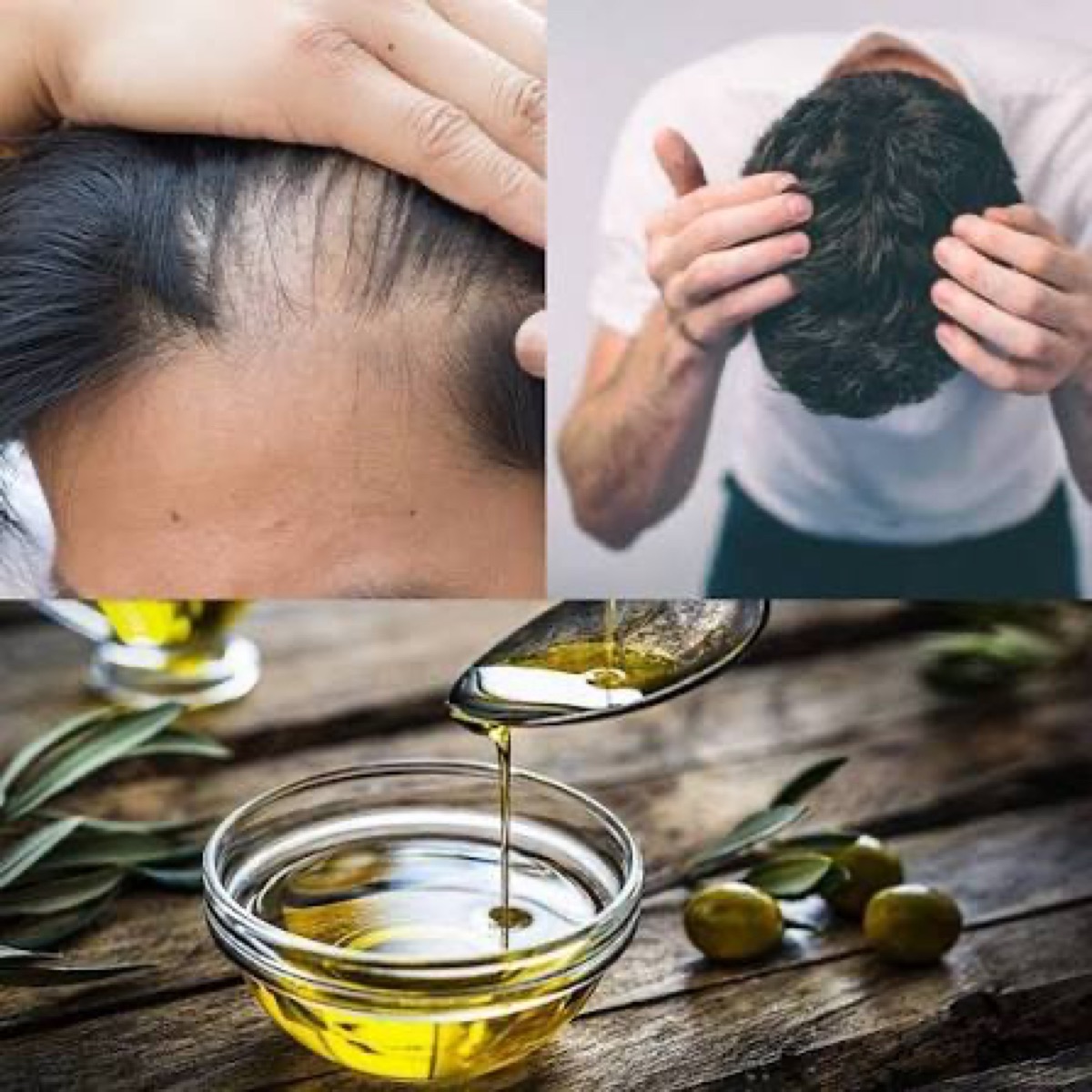
Basic method: warm 1–2 tablespoons between your palms (don’t overheat it — hot oil can irritate the scalp), work it through mid-lengths to ends first, then lightly into the scalp if your hair type calls for it. Leave it 30 minutes to overnight, then shampoo twice to fully remove it — olive oil is heavy enough that one wash often isn’t enough.
Who should be cautious
Olive oil has a comedogenic rating of around 2 — mildly likely to clog pores. For most people that’s irrelevant on the scalp, but if you’re prone to acne along the hairline or forehead, oil at the hairline specifically (not mid-scalp) is the more likely trigger point. If you notice small breakouts after starting an oiling routine, that’s the mechanism — switch to applying from mid-length down only, or try a lighter oil like argan.
If you’re actually trying to address hair loss
Conditioning treatments and actual pattern hair loss are two different problems, and it’s easy to spend months on the first while the second goes untracked. If dull, dry, or frizzy hair is the concern, olive oil is a reasonable, low-cost option — just not a growth treatment. If it’s your hairline itself that’s changing, run a free scan to get an actual Norwood-stage estimate instead of guessing from how your hair feels.
Take HairlineCheck AI With You
Scan anytime, track your progress, and get reminders to check in — your first scan is free.
Get the appFAQ
Does olive oil regrow hair? No. There’s no human trial evidence that olive oil increases hair growth rate or treats androgenetic alopecia. It conditions existing hair and scalp; it doesn’t affect the follicle-level process that controls growth.
Is olive oil good for a dry, flaky scalp? Generally yes — it moisturizes and can reduce dryness-related flaking. It’s not a treatment for conditions like seborrheic dermatitis or psoriasis, which need a dermatologist’s input.
How long should I leave olive oil in my hair? 30 minutes is enough for most benefit; overnight isn’t meaningfully better for most hair types and increases the chance of a residue that needs a second wash.
Can olive oil cause hair loss or breakouts? It won’t cause hair loss. It can contribute to breakouts along the hairline in acne-prone skin due to its mild comedogenic rating — apply from mid-length down if that’s a concern.
Is extra virgin olive oil better than regular for hair? Extra virgin is less processed and retains more polyphenols, but the difference for hair specifically (versus regular olive oil) hasn’t been separately studied — either works for the moisture-sealing effect.
What’s actually better studied than olive oil for hair — coconut oil? For reducing protein loss specifically, yes — coconut oil is the one with direct trial data. Olive oil’s benefit is real but inferred from its fatty acid profile rather than tested head-to-head.
Curious where you stand? Try the free AI hairline check and get your Hair Score in 10 seconds.